Understanding Coral Reef Ecosystems and Their Global Importance
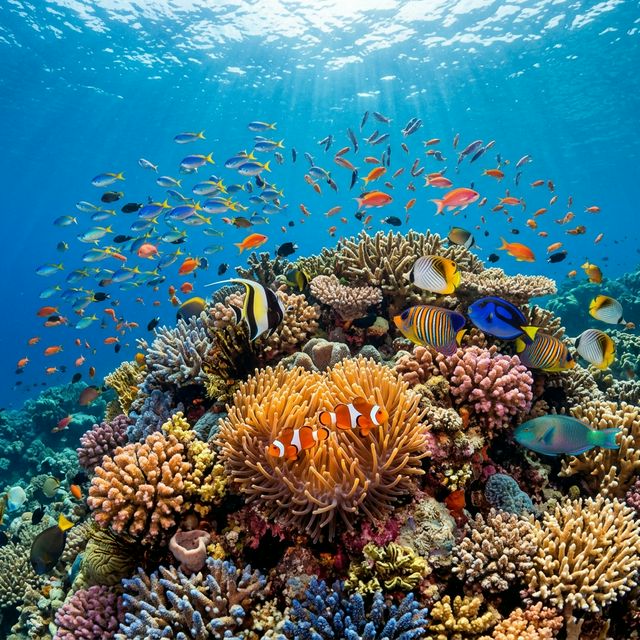
Coral reefs cover less than 1% of the ocean floor yet support over 25% of all known marine species. These underwater rainforests are vital to global biodiversity.
Coral reefs are among the most productive and biologically diverse ecosystems on Earth. Built over thousands of years by tiny coral polyps, these structures provide essential habitat for an estimated 4,000 species of fish, 800 species of hard corals, and hundreds of other organisms. The Great Barrier Reef alone stretches over 2,300 kilometers and is visible from space.
Beyond biodiversity, coral reefs serve critical economic functions. They protect coastlines from storm damage and erosion, support fishing industries that feed millions of people, and generate billions in tourism revenue. Scientists estimate the total economic value of coral reef ecosystem services at $375 billion annually.
However, reefs face unprecedented threats from climate change, ocean acidification, overfishing, and pollution. The bleaching events of 2016-2017 affected over 70% of the world's tropical reefs. Conservation efforts including marine protected areas, sustainable fishing practices, and coral restoration programs are essential to preserving these irreplaceable ecosystems for future generations.